
· 4 min read
The truth about operating systems: Linux for users
My take on Linux as a desktop operating system for users and web developers: its advantages and its myths.
Episode rescued from the SeViR Notes archive and translated from Spanish. Originally published on January 27, 2015.
There are plenty of Windows, Linux and MacOSX fanatics. I’ve spent years using all of them, and each has its good points and its bad ones. For those who haven’t tried them but are curious, here are a few opinions. In this post we’ll talk about Linux, philosophies aside, from a user’s point of view.
When we talk about Linux, it’s very hard to talk about anything specific. This is one of the problems with Free Software and the GNU/Linux approach: the habit of any group that wants its own version customising and putting together a distribution gives you freedom, yes, but it confuses the average user. If you’re not a geek or a computer enthusiast, there’s no reason you should know that using Ubuntu isn’t the same as using Lubuntu, Kubuntu, Fedora, Gentoo and so many others. Yet the truth is that there are many big differences from one distribution to another, in look and feel, usability, ease of use, and even in using completely different applications.
Linux’s biggest problem is that it has never managed to unify. And this doesn’t only apply to distributions: we have this whole jumble of options for everything, the sound system, the window manager, the desktop, practically anything you can think of, so we end up having to install an endless number of versions, all sorts of software and configurations just to get this or that program working.
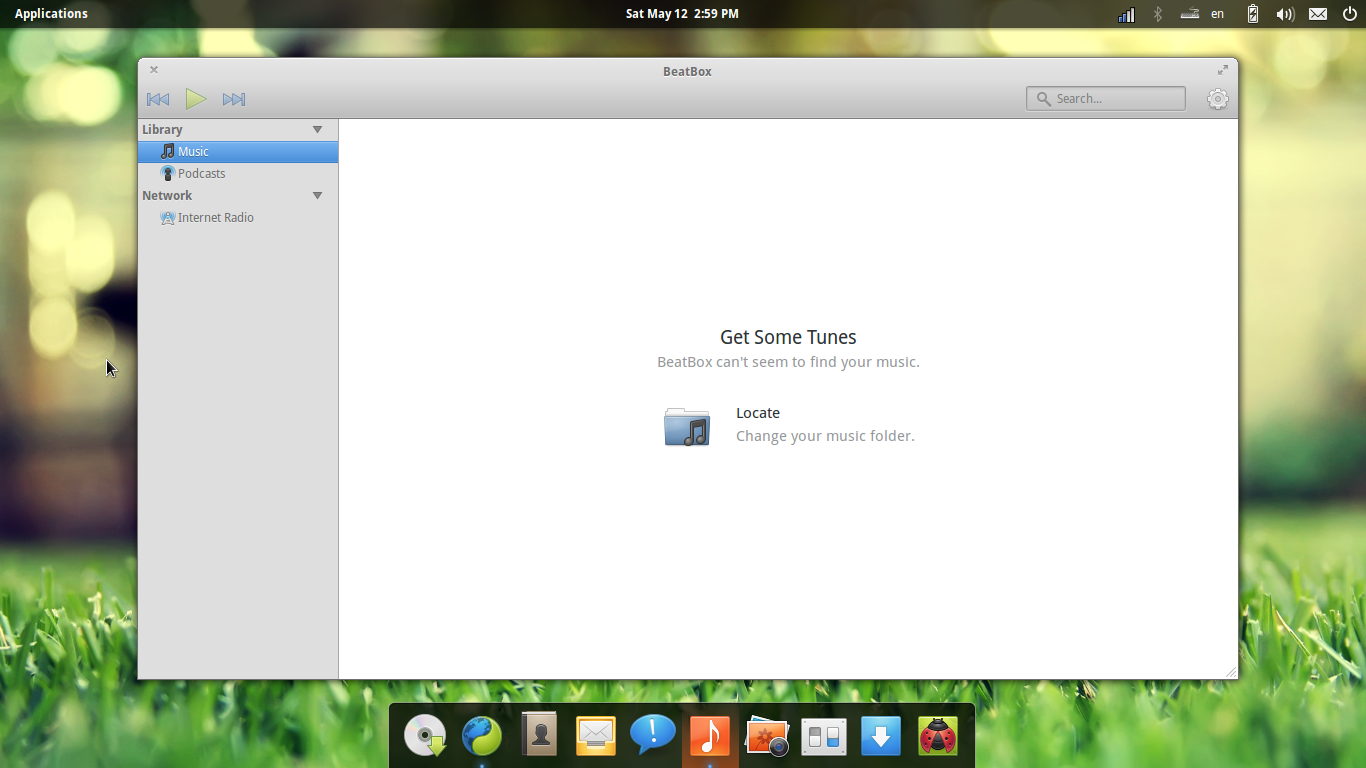
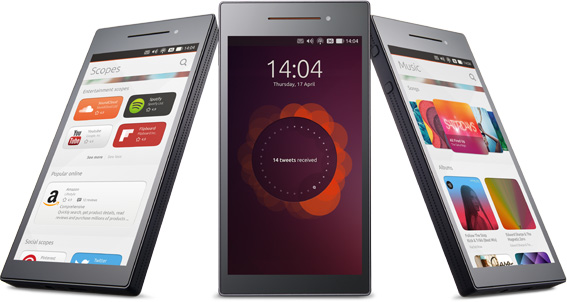
For the average user, the best choice is one of the distributions with the largest community and, above all, the most commercial support. Ubuntu improves with every release; despite its mistakes and the occasional hit, it is undoubtedly one of the reference distributions and one of the best companions for a user’s day-to-day. On top of that, its bet on an OS that adapts to phone, tablet and PC is pushing work on the distribution’s performance and on better behaviour across different screens.
The urban legend around Linux says it’s perfect for old machines with few resources and that it’ll feel really fast, since 90% of servers run on Linux.
The idea that Linux uses few resources is a myth. It’s true that some distributions can be installed on decades-old computers, but that’s like saying Windows can’t be installed on old computers (we’ll always have Windows XP, or even Windows 95 if the machine is older still). Current distributions need a good graphics card, RAM, disk, etc. to run smoothly and flawlessly, and as long as we have the best drivers for Linux, our user experience will be very good.
Linux for web development: comfortable to use, with better results.
If you’re a web developer, this is probably your operating system, since its closeness to web servers lets you work directly on a server just like in a production environment. There are also cross-platform editors like Sublime Text, and most well-known browsers have a version for this operating system, or else we can run them through an emulator.
If you’re not a programmer but you like changing how your system looks, with icons, wallpapers, colours and window shapes, total customisation, you’ll also enjoy using a Linux distribution. Applications like Gnome Tweak make it easy to enable GTK themes to change the whole look, or to swap icon packs.
Backing from big players such as Google, Canonical, IBM, Valve, etc. has improved its performance in user environments (something that’s beyond question in server environments, but that we can debate on the desktop).
Without a doubt, an operating system that can last us a long time.
Of course, the handicap here is that we won’t have the industry-standard software for image and video, like Photoshop or Premiere, or Microsoft Office, unless we resort to emulation, with much lower performance. We’ll have less well-known but equally valid alternatives that we’ll need to learn thoroughly to get the most out of them. The upside is that we don’t have to pirate or pay anything for this alternative software, as it’s usually free or very cheap.
Android has been Linux’s triumph for users. It has achieved what no other Linux could: mass adoption by everyday users, with a large catalogue of proprietary apps, both paid and free.
Android also runs on Linux, but it doesn’t follow the philosophy of most distributions, since a layer above the kernel manages the user interface, based on a Java compilation engine.