
· 2 min read
The truth about operating systems: let's talk about Windows
My take on Windows 10 and Microsoft's change of direction with the Insider programme and user collaboration.
Episode rescued from the SeViR Notes archive and translated from Spanish. Originally published on March 27, 2015.
With years of history behind it, when someone talks about operating systems, the first thing that comes to mind is Windows. Loved and criticised in equal measure, there’s no denying it has long been the most widely used desktop operating system.
Legend has it that Microsoft releases a good version and the next one is bad. That held true for Windows Millennium, Windows Vista and Windows 8 (so they say… although I don’t feel the same about Windows 8.1).
But time and competition have made Microsoft pull its socks up, and in Windows 10 we can find plenty of good things and some good intentions (I hope nobody strikes me down for saying all this).
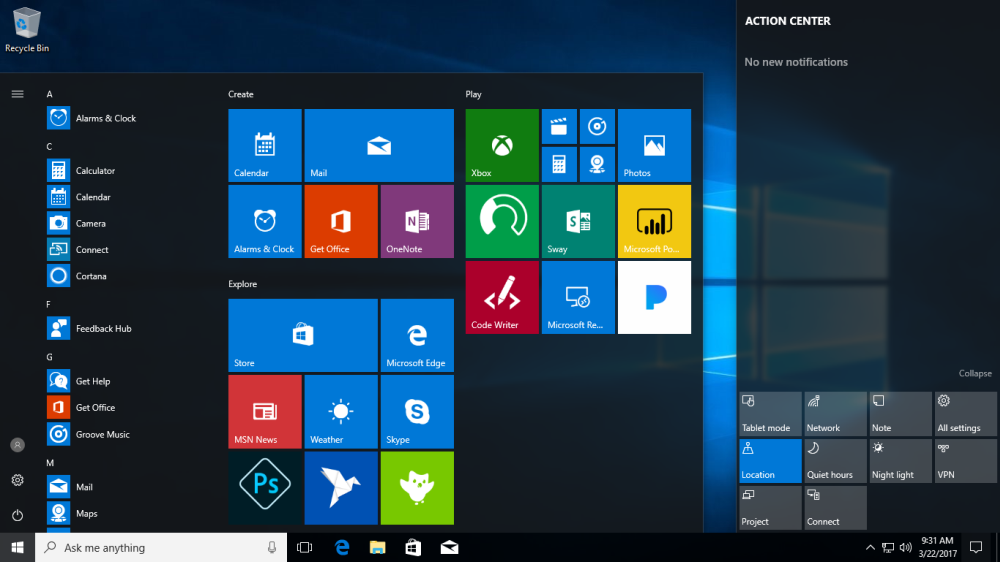
Windows 10 brings many good points we’ve been seeing for years on Mac OS X or Linux: the side notification panel, virtual desktops (yes, finally built into Windows, and smelling a lot like the way Mac OS X does it). What I like most isn’t so much a feature as an intention on Microsoft’s part: the Insider programme lets curious people try the latest versions of Windows, updates and so on. On top of that, Windows ships with a tool that lets any user leave comments and give their opinion on any Windows application.
The result: Windows 10 gets a stream of improvements almost daily thanks to users’ contributions. Insider users also get a Windows 10 Pro licence. And Microsoft has even gamified Insiders’ contributions, adding challenges, stripes or medals when you contribute.
Although plenty of people have talked about everything the newly arrived Windows 10 brings, few have mentioned the user collaboration tools, which represent a major change of direction for Microsoft.